

10 Jun Nature-based Solutions for Climate Change Adaptation in Coastal and Insular Cities of Colombia

Co-Authors: Dr. Andrés Osorio; Dra. Paula A Zapata-Ramírez; Dr. José Ernesto Mancera Pineda; Louise Lowe; Juan Diego Torres Toro; Ariadna Domínguez-Castro.
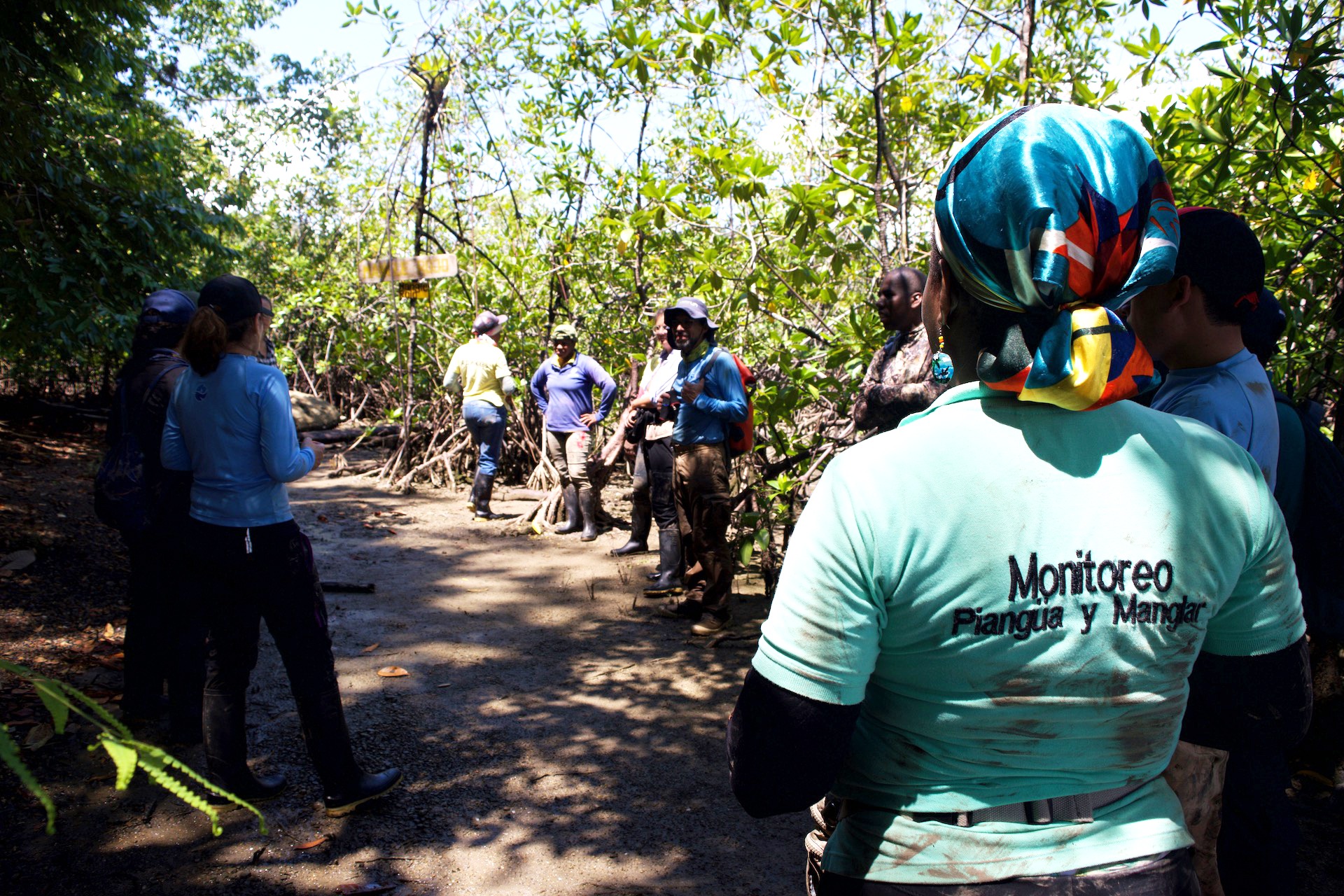
Cover photo: Local associations from the Colombian Pacific participating in the technical workshop on Monitoring and Evaluation of Climate Change Adaptation. | by: CEMarin team.
Climate change is one of the greatest threats to ecosystems and communities, particularly in coastal and island territories. In this context, Nature-based Solutions (NbS) have emerged as a key strategy for adaptation, harnessing natural resources to sustainably mitigate the impacts of climate change. This article explores the global and Colombian context of NbS, as well as the opportunities for cooperation between the European Union (EU) and Colombia to promote their implementation.
NbS are defined as approaches that utilize natural resources to address social, economic, and environmental challenges, while simultaneously promoting biodiversity, resilience, and human well-being. In coastal and marine regions, the restoration of habitats such as mangroves, seagrasses, and coral reefs can serve as natural barriers against extreme weather events like storms and flooding. These solutions are typically categorized into two types: “green”, which focus on the restoration and conservation of nature, and “green-grey”, which combine natural strategies with engineering interventions, also known as hybrid or eco-engineering solutions.
At the global level, various multilateral agreements, such as the United Nations Framework Convention on Climate Change (UNFCCC) and the Paris Agreement, have incorporated NbS as a priority approach for climate change adaptation. The EU, through its European Green Deal and Adaptation Strategy, has also recognized their importance in achieving climate resilience. In Colombia, policies such as the Climate Action Law and the National Climate Change Policy have strengthened the regulatory framework for the protection of coastal and marine habitats. However, implementation challenges remain, including the lack of standardized interventions and the need for stronger governance and increased funding.

Graphic support material for the development of the workshops of the European Union’s Climate Dialogues project in Colombia, 2024. | by: CEMarin team.
Cooperation between the EU and Colombia presents key opportunities to strengthen climate action in coastal and insular territories. In 2022, both parties signed a Joint Declaration on Environment and Climate Action, opening the way for research initiatives and knowledge transfer. The EU, with its expertise in marine restoration and conservation, can support Colombia in strategic projects such as coral reef rehabilitation and blue carbon sequestration. Moreover, trade and investment in NbS-related technologies have significant potential, offering opportunities for Colombian enterprises specializing in ecotourism, marine restoration, and sustainable fisheries. On the other hand, for NbS to become an effective tool, it is essential to strengthen national policies, promote research, and ensure the active participation of local communities. Only through a collaborative and multidisciplinary approach can their full potential be realized.
As part of the European Union’s Climate Dialogues, the 2024 project for the development of Technical and Policy Recommendations was carried out, led by the Corporation Center of Excellence in Marine Sciences (CEMarin), IH Cantabria, and the Leibniz Centre for Tropical Marine Research (ZMT). This initiative gathered input from over 150 transdisciplinary and cross-sectoral experts through a series of workshops held between January and April 2024. Such efforts promote the implementation of NbS, highlighting the importance of integrating transdisciplinary and intersectoral analyses and using participatory methodologies to facilitate NbS for climate change adaptation in coastal and insular territories.
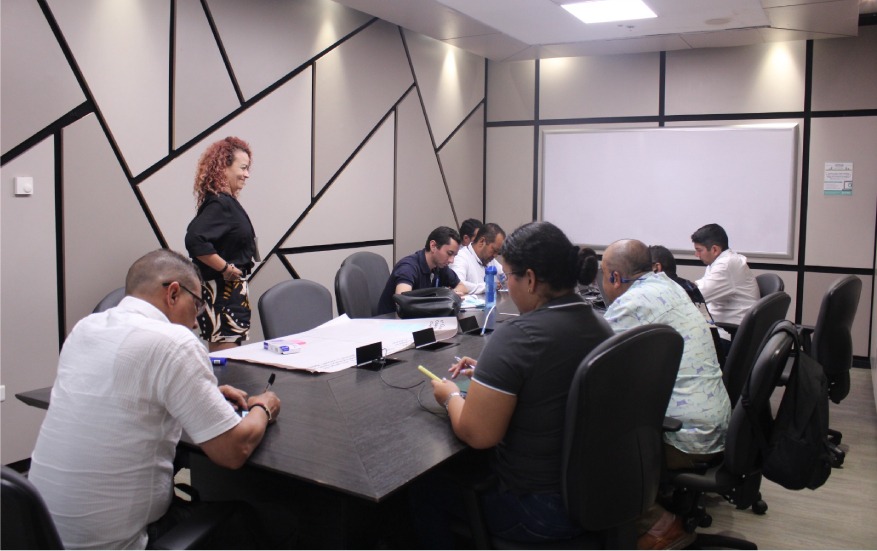
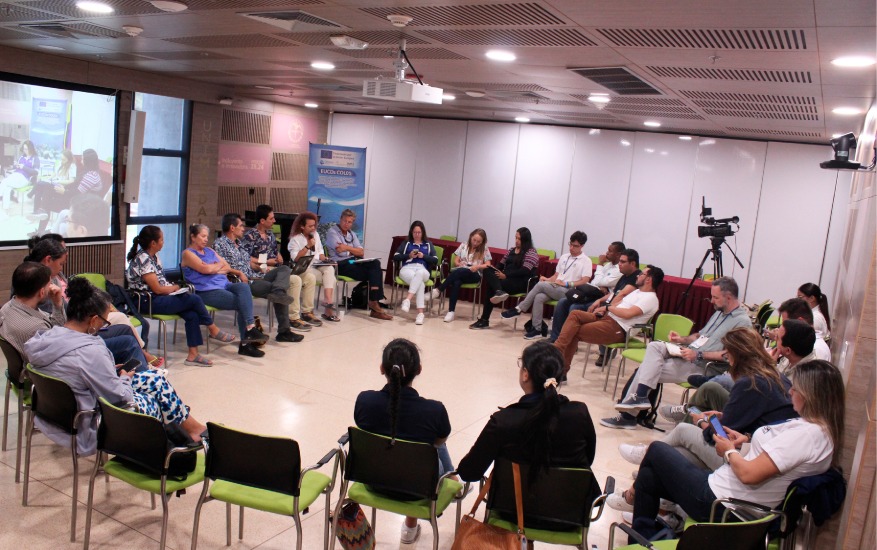
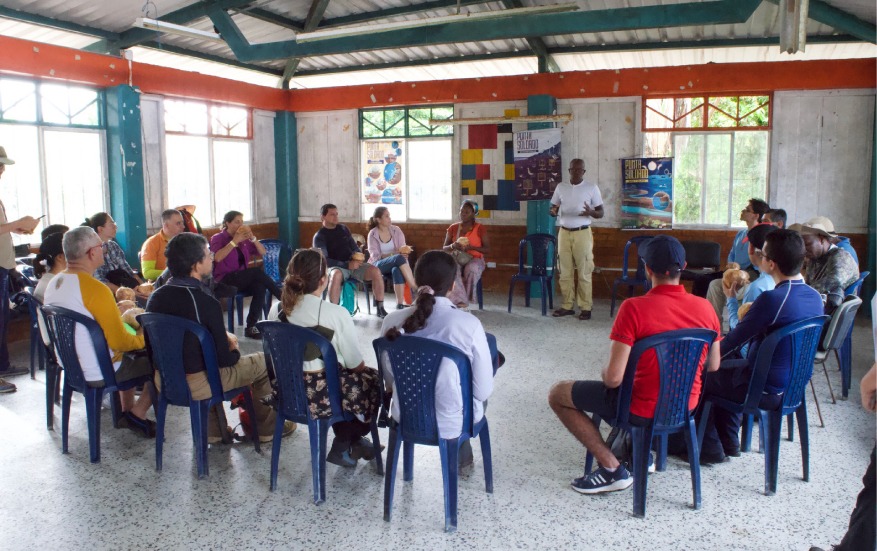
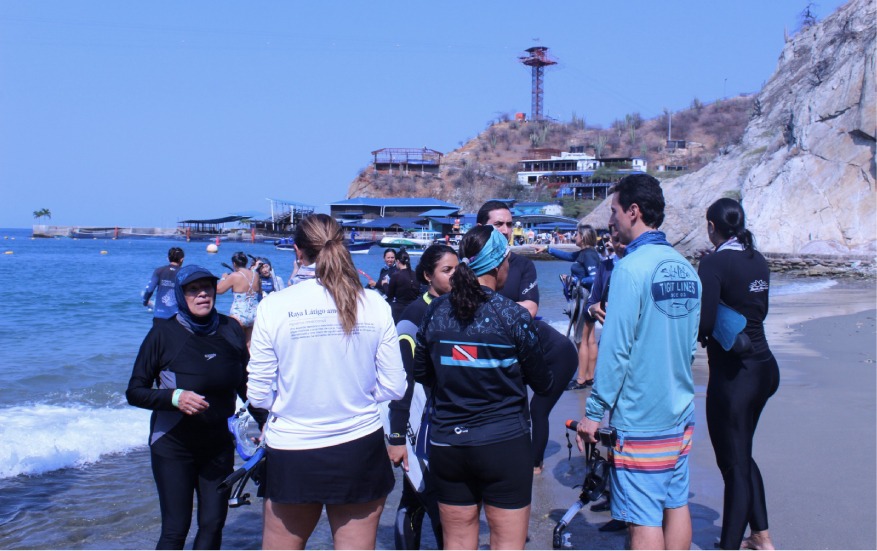
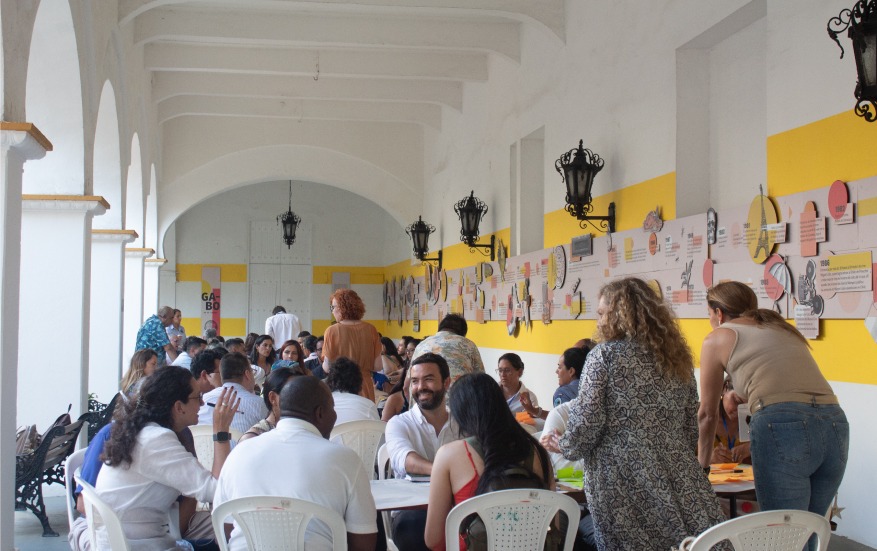
Workshops and field trips as part of the European Union’s Climate Dialogues project in Colombia, 2024. | by: CEMarin team.
Socio-ecological systems can be analyzed based on the ecosystem services they provide in terms of NbS, such as mangrove forests, seagrass meadows, and coral reefs, which offer high potential for blue carbon capture, coastal protection, and biodiversity conservation. Likewise, hybrid solutions (green-grey NbS) represent a key strategy by combining natural and engineering interventions to foster long-term resilience and sustainability.
Policy and regulatory framework analysis is also an essential tool for assessing the integration of NbS into marine spatial planning. In Colombia, initiatives have been identified in coastal and insular territories led by local governments, demonstrating the feasibility of these strategies.
NbS implementation must be context-dependent and consider key factors such as post-COVID-19 economic recovery, the implementation of the 2030 Agenda for Sustainable Development, and the Kunming-Montreal Global Biodiversity Framework. Furthermore, Colombia’s sociopolitical context, including conflict in some regions, requires sensitive and adaptive approaches to implementation.
Finally, the development of roadmaps with priority actions and strategic recommendations will ensure the long-term sustainability of NbS. Cooperation with international bodies like the EU plays a key role in this process in Colombia by facilitating knowledge transfer, financing, and the effective implementation of solutions that benefit Colombia’s coastal and insular territories, as well as other regions around the world.


No Comments