

09 Jun Marine Water Pollution: Anthropogenic and Ecosystemic Implications

Co-authors: Rocío García Urueña, Luz Helena Mojica López, Aliano Tette Pomarico, Dayana Páez D Ávila, Angélica de la Hoz Roca, Eliana Pineda Munive.
Marine Algae and Coral Reef Ecology and Diversity Group, Universidad del Magdalena
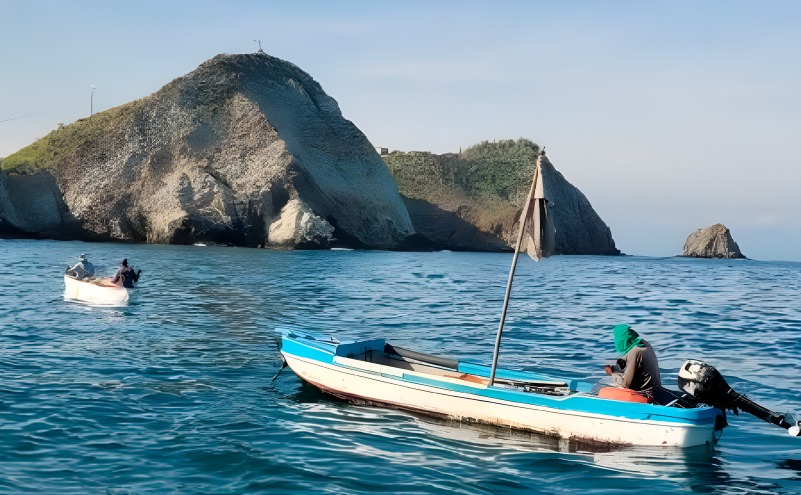
Cover photo: Santa Marta Bay, submarine outfall area and artisanal fishers | by: Romero-Borja, I. 2023.
Colombia is a country recognized for its rich ecosystems, stunning landscapes and huge biodiversity. However, the marine ecosystems have undergone significant degradation due to marine pollution, agriculture, industrial activities, wastewater discharge, illegal fishing, and tourism, among other factors (Figure 1 – cover). The presence of waste and harmful chemicals in the water not only represents an aesthetic issue, but also indicates a serious risk to human health, the local economy, and the environment. In particular, it is estimated that coral reefs have lost up to 13.5% of their coverage. Likewise, planktonic communities essential to the marine food web and vital for maintaining the health and balance of marine ecosystems are being affected. This highlights the importance of monitoring and protecting these vulnerable ecosystems.
The Marine Algae and Coral Reef Ecology and Diversity Group research team (EDAMAC, COL0004003) from the Universidad del Magdalena evaluated the biodiversity of pathogenic bacterial species, phytoplankton, and zooplankton during two climatic periods (dry and rainy season), as well as their relationship with water quality. To do this, samples were taken from different sites in the city of Santa Marta on the Colombian Caribbean coast. The study compared zones with wastewater and runoff discharges, such as the Manzanares River and the submarine outfall, with marine-coastal tourist reference places, including Playa Blanca and the bays of Neguanje and Bahía Concha within the Tayrona National Natural Park protected area. Bacterial composition was analyzed through culturable samples associated with artificial substrates conditioned in both disturbed and conserved environments, and then analyzing how they affected the larval settlement of the coral species Favia fragum.
The composition of the phytoplankton reflects a complex community structure, with a total of 270 species mainly distributed among Bacillariophyceae, Dinophyceae, Cyanophyceae, and to a lesser extent Euglenophyceae, Zygnemophyceae, Chlorophyceae, and Dictyochophyceae. It was observed that environmental conditions can favor the growth and proliferation of certain specific groups (Figure 2). Moreover, it was evident that abundance at sites affected by anthropogenic impacts was higher during the rainy season, due to the constant input of nutrients. These data suggest that wastewater discharges are affecting phytoplankton diversity in the Bay of Santa Marta, highlighting the importance of taking measures to reduce pollution in this area and protect the marine ecosystem.
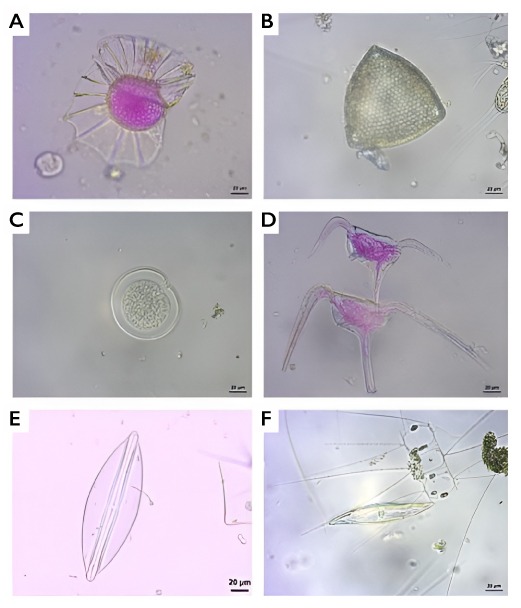
Figure 2. Phytoplankton from Santa Marta Bay – Colombian Caribbean.
A. Ornithocercus sp., B. Triceratium sp., C. Pyrophacus sp., D. Tripos sp., E. Lirella sp., F. Chaetoceros-Pleurosigma sp.
Taken by: De la Hoz-Roca, A. 2024.
Regarding the zooplankton community, a total of 263 morphotypes were found, of which 75 genera and 58 species were identified. In all sampling sites, copepods were the dominant group, reaching a maximum of 87.3% in Bahía Concha, with a large number of nauplii and copepodites during the rainy season, contributing significantly to the community’s biomass (Figure 3). The analysis in terms of composition and abundance did not show significant temporal differences, but spatial differences were observed between the Isla Aguja sector (a protected area) and the other sampling sites.
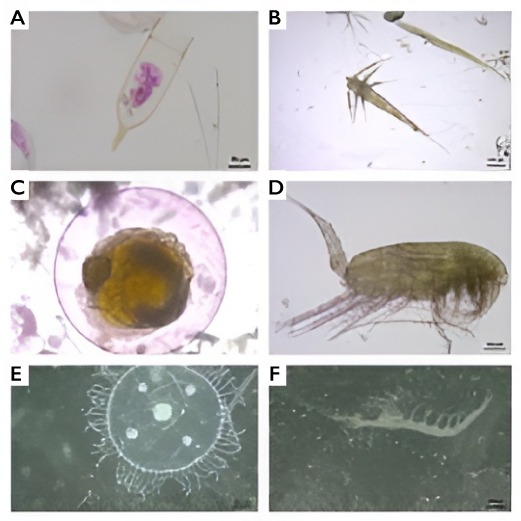
Figure 3. Zooplankton from Santa Marta – Colombian Caribbean.
A. Tintinido Favella sp., B. Nauplio calanoida, C. Huevo de pez, D. Copépodo Clausocalanus sp. E. Medusa Obelia sp, F. Crustáceo Lucifer sp.
Taken by: Mojica y Tette, 2024.
It was observed that the effectiveness of biofilms in inducing larval settlement decreases in environments with higher levels of anthropogenic intervention, with higher settlement rates recorded in conserved areas. Therefore, it is necessary to further explore the impact of such activities on the reproductive processes of reef-building corals.
These results highlight the urgent need to implement recycling programs and improve the management of waste and substances that end up in the ocean through industrial discharge and runoff. Santa Marta is a tourist city, and that’s why it’s important for the government, the industrial sector, and everyday individuals to work together to protect the region’s beaches and ecosystems. Raising awareness about marine pollution through education is essential to inspire behavioral change, conservation efforts, and the sustainable management of marine resources.
Project funded by Minciencias and ICETEX (Contract 2021-1024).


No Comments