

09 Jun Marine Conservation in the Wild and In Captivity: A Review

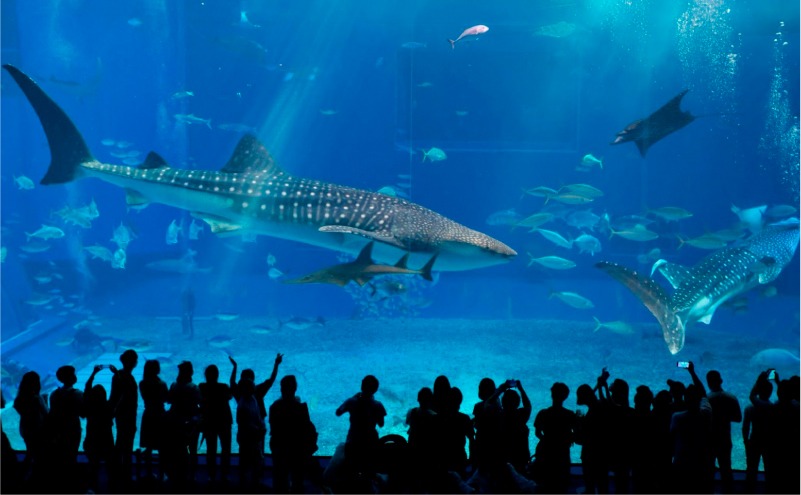
Cover photo: Whale Sharks in Aquarium, 2021 | by: Erik Brem
Marine conservation encompasses both wild species and those bred and housed in captivity. The International Union for Conservation of Nature (IUCN) lists numerous marine species as endangered or critically endangered on a global scale. Therefore, marine conservation must be approached from multiple perspectives to enhance management practices in protected areas with delicate ecosystems and to improve animal health and treatment in rehabilitation facilities.
Veterinary care for marine animals is a growing field within marine science. Some research, guidelines, and manuals are available to practitioners, such as the National Marine Fisheries Service (NMFS) Rehabilitation Facility Standards and the Elasmobranch Husbandry Manual. Elasmobranch, a group that includes sharks and rays, generally take a long time to reach reproductive age and are particularly vulnerable to overfishing. The ability to breed these species in captivity and safely release them into the wild represents a valuable strategy for increasing their populations. Additionally, elasmobranch hold both conservation and commercial significance.
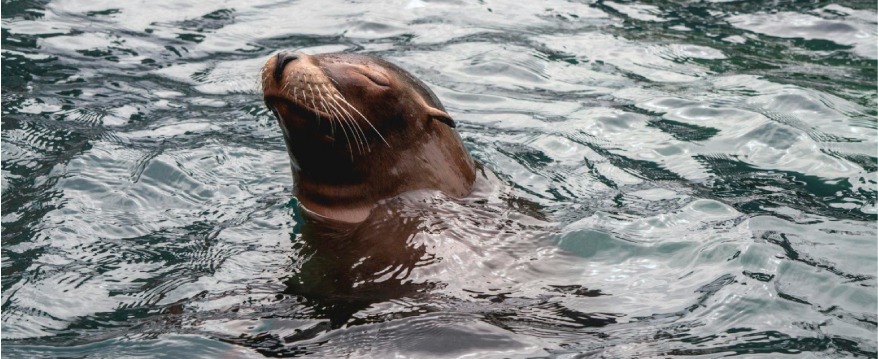
Swimming Sea Lion, 2018 | Photo by: Fred Heap
Similarly, marine mammals, often classified as charismatic megafauna, are frequently depicted in the media as key apex and mesopredators in marine ecosystems. Like elasmobranch, they take considerable time to reach maturity and face challenges such as overfishing, habitat fragmentation, and environmental changes. A deeper understanding of their health is essential, given their role in shaping trophic webs and their economic importance in fisheries and ecotourism. This knowledge is also crucial for developing effective medical treatments for individuals intended for release into the wild.
Addressing marine conservation challenges requires international collaboration among academic researchers, marine veterinary practitioners, and commercial stakeholders. By bridging knowledge gaps and fostering cooperative efforts, a more comprehensive and holistic approach to ecosystem resilience can be achieved.


No Comments